bed.mooba.co: case study
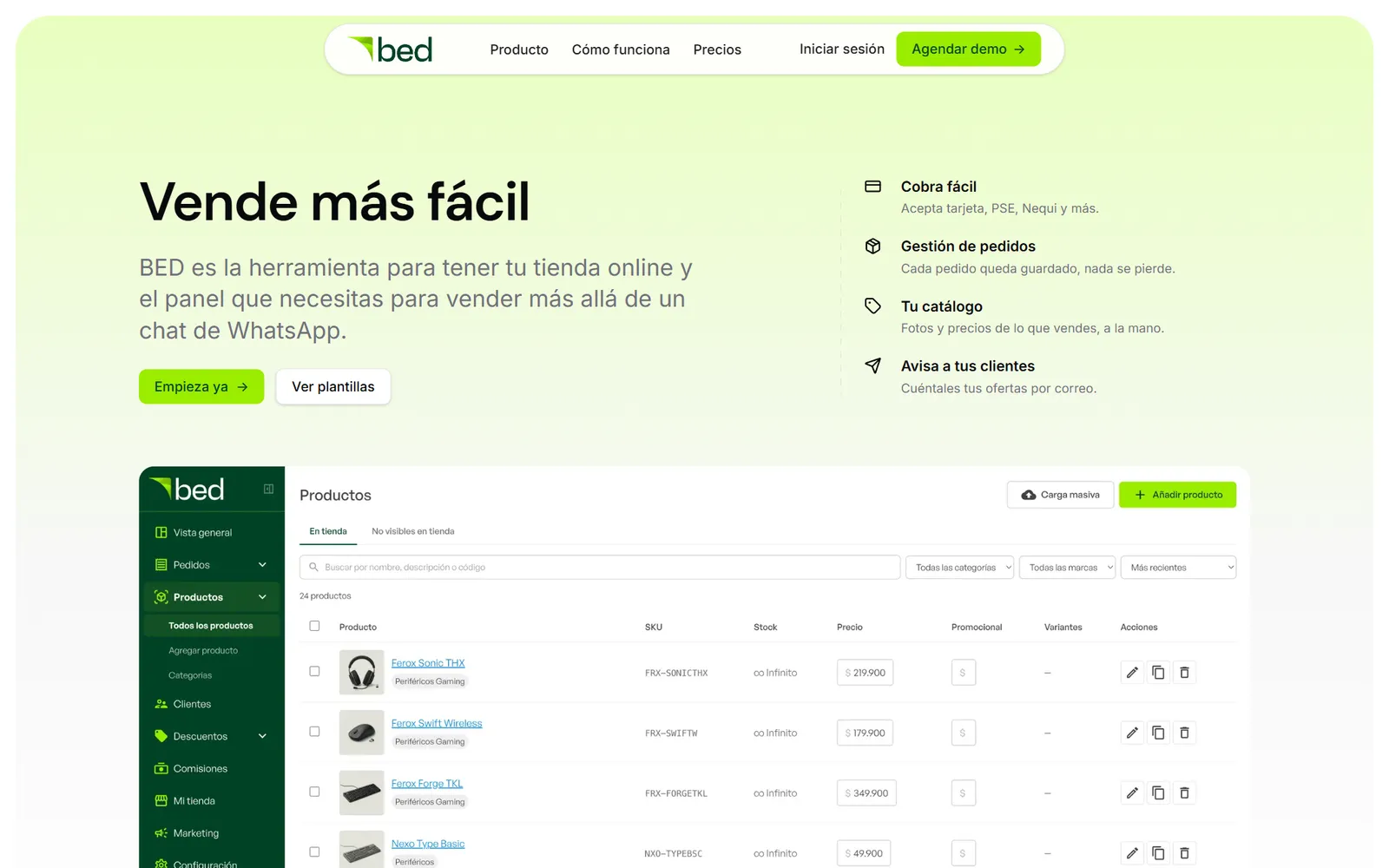
A SaaS platform that takes businesses from selling over WhatsApp to running their own online store, built at mooba. I am the lead engineer: I started it from zero and took it to launch.
Role
Lead engineer at mooba. I started the project from zero. One other developer helped on the front end during the first months; after that I worked mostly with PMs, UX/UI designers and stakeholders.
Problem
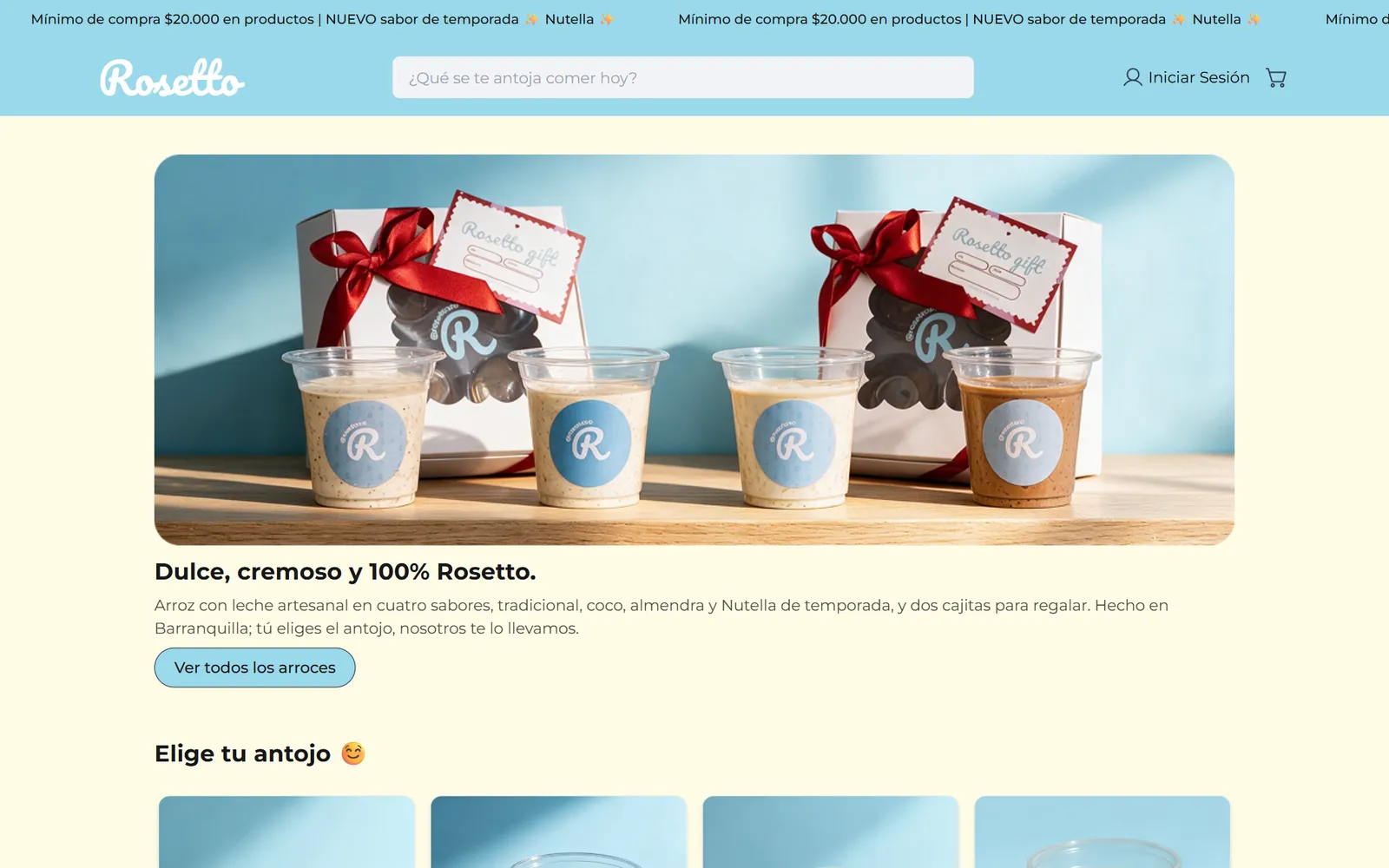
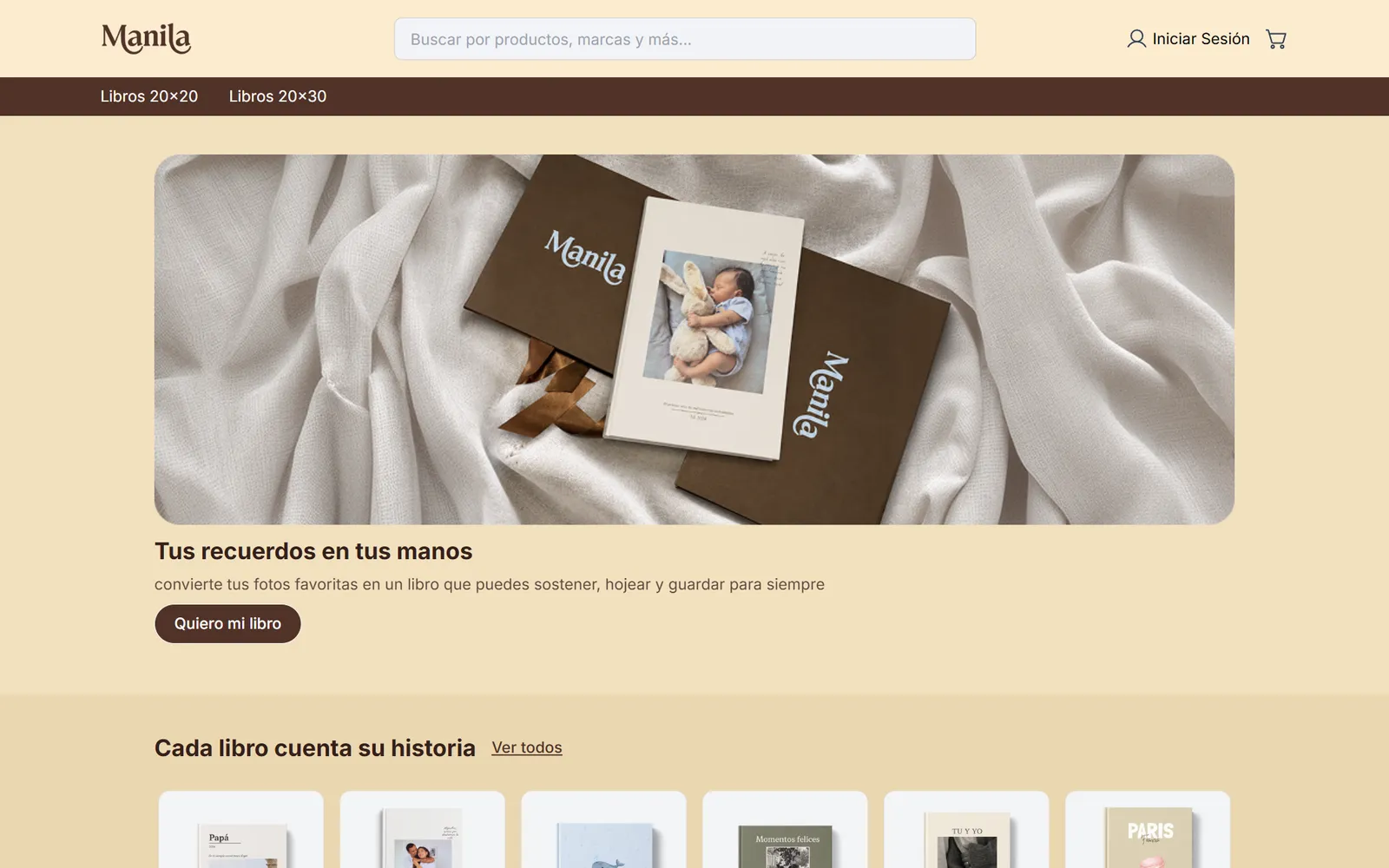
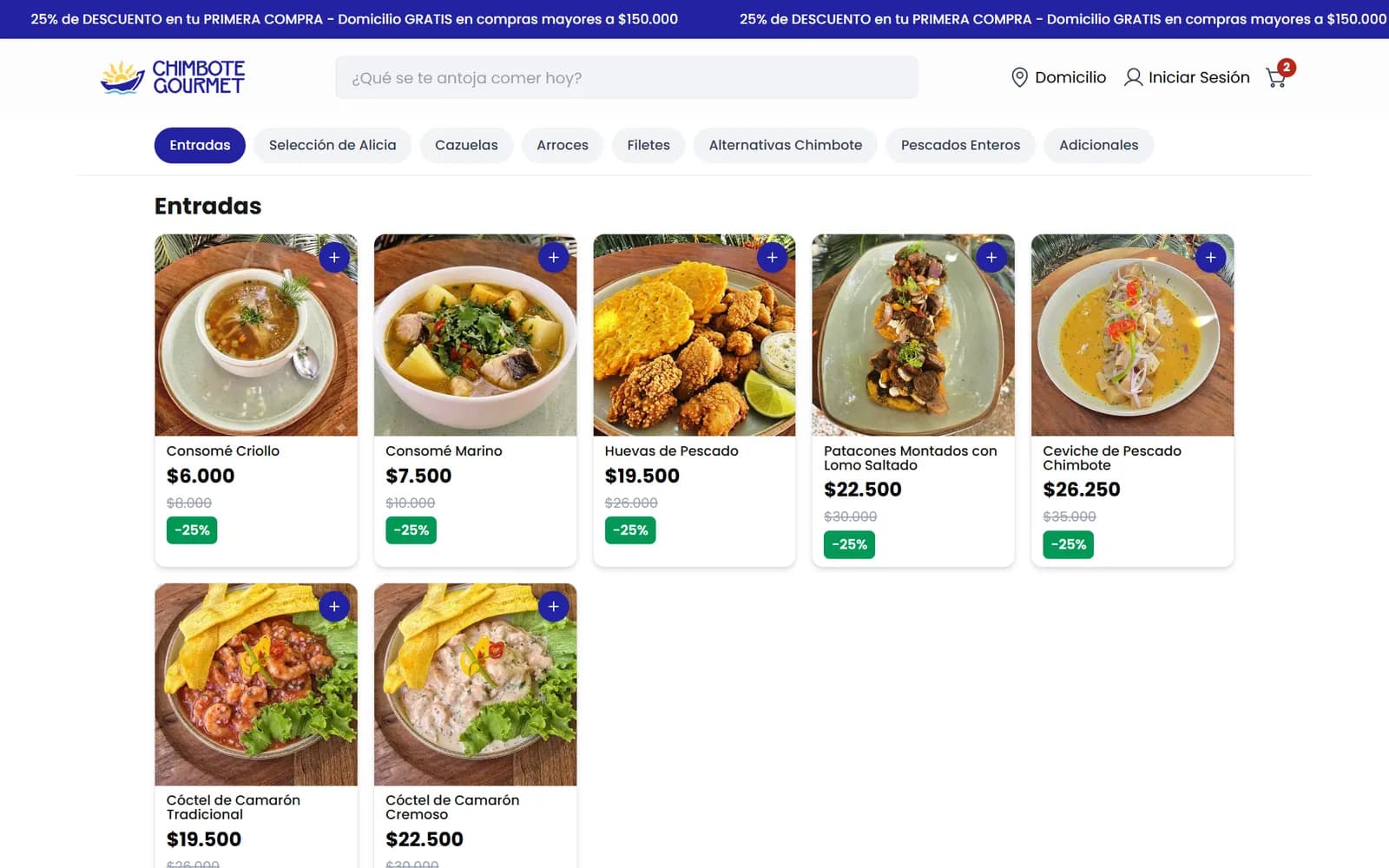
Many small businesses sold only through WhatsApp. With no online store, they were missing the chance to be seen on the internet. bed gives them the basics (products, orders, discounts) and also store customization (theme, product cards, homepage sections), analytics and pixel linking to follow their ads, and delivery setup so customers complete the purchase on their own instead of over chat. Most of it is free: bed only takes a commission per sale. Other services build the site for you and deliver it in one to two weeks. Here the owner creates their own store without technical skills, customization is optional, and support in Spanish goes directly to the team.
Key decisions
- Multi-tenant architecture. At mooba, clients kept asking for online stores: we were configuring Shopify or Tiendanube for them, or building custom ecommerce sites from scratch. One technology serving every business, without writing code for each one, was the better answer.
- Native wallet with split payments. bed needed to collect its commission automatically, and Cobru was the partner whose automatic split fit that commission model. It also covers entrepreneurs who have no payment gateway or business account: a few clicks to validate a sub-account in the panel and they can already receive payments.
- Restaurant POS integration (Loggro). It started with a business that already had the POS but no store. Orders arrive through the bed store and, if the tenant has linked their Loggro account, go straight into the POS. The hard part was adapting to the Loggro model, built for restaurants, where each dish is an order in itself, and mapping tables so orders could be entered on their side.
Stack
Go (Clean/Hexagonal architecture), about 480 endpoints, across 3 services: API, admin panel and storefronts. Admin panel and storefronts built with Next.js.
CI/CD
I own the CI/CD: automated with Git and Docker. As the only developer, I needed a practical pipeline that would not take more time than shipping features.
Result
Live for about a month, with about 5 active stores already selling. Stores running paid campaigns on social media bring in high traffic, and the platform holds up well under it.